CAD design
From £50
Turning measurements, sketches or an existing component into a printable 3D model.
From an existing part to a working prototype
We use Autodesk Fusion 360 and a Bambu Lab A1 to develop functional prototypes, replacement furniture parts and short production runs for suitable restoration projects.
Explore our recommended creative apps and software for information about Fusion 360’s free personal-use licence.
What we can help with
From £50
Turning measurements, sketches or an existing component into a printable 3D model.
Printing and checking form, fit, fixing points and practical details before producing more.
One-off components and small repeatable batches for suitable applications.
Restoration experience
Our approach draws on several years of hands-on experience in antique ceramic and furniture restoration. That background helps us look beyond the outside shape of an object and consider how an original part fits, functions and relates to the piece as a whole.
CAD design and 3D printing can be useful when an obsolete or damaged furniture component is unavailable. We assess each project individually to decide whether a measured, reverse-engineered replacement is suitable. The ML80 Ligne Roset shelving work below is a restoration project we have undertaken using this process.
Please note: we no longer have the workshop space to take on full restoration projects. We can help with specific replacement components, CAD reconstruction and digital fabrication, and can offer initial advice or signpost projects that require traditional restoration work.
Obsolete components recreated
Many pieces of 1960s, 1970s and later designer furniture are still perfectly usable but can be let down by a small broken or missing component that is no longer manufactured.
Where an original replacement cannot be sourced, we can assess whether the part can be recreated. An existing component, matching part or broken original can be measured and reconstructed in CAD, prototyped and 3D printed.
Our ML80 Ligne Roset shelving project is an example of this process: recreating an obsolete furniture component while maintaining important dimensions such as fixing points and hole positions.
Potentially, yes. If you have a missing or broken component from vintage, designer or discontinued furniture, bring us the part, a matching component or the furniture itself so we can assess it.
3D-printed replacement parts are generally best suited to compression-based uses. They may not be suitable where a component must resist significant shear, torque or twisting forces, so every part needs to be assessed for how it works in the original furniture.
Feet, spacers and suitable components that connect one tube to another are good examples of parts that may be appropriate for CAD reconstruction and 3D-printed prototyping.
CAD design and 3D prototyping from £50. We retain the intellectual property in CAD designs we create unless ownership of the CAD design is agreed and purchased separately.
Restoration project undertaken
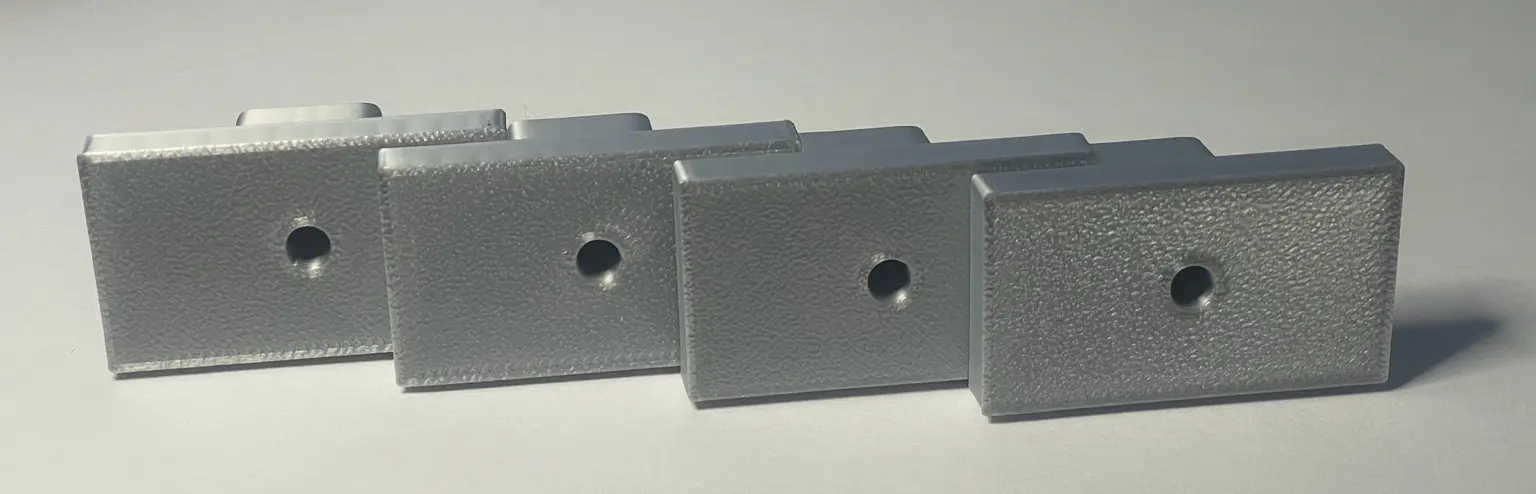
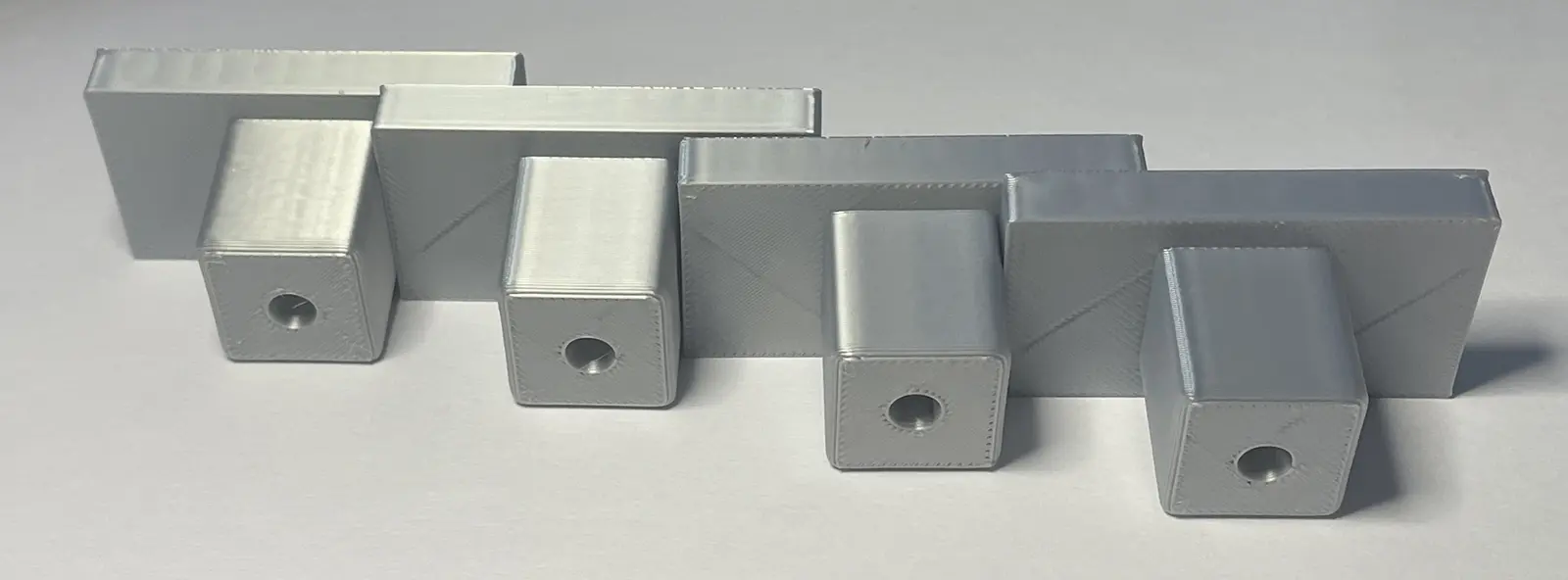
An original metal fitting was reverse engineered to create accurate one-hole and two-hole 3D-printed replacements.
Project by Dorine Flies — Technical Artist
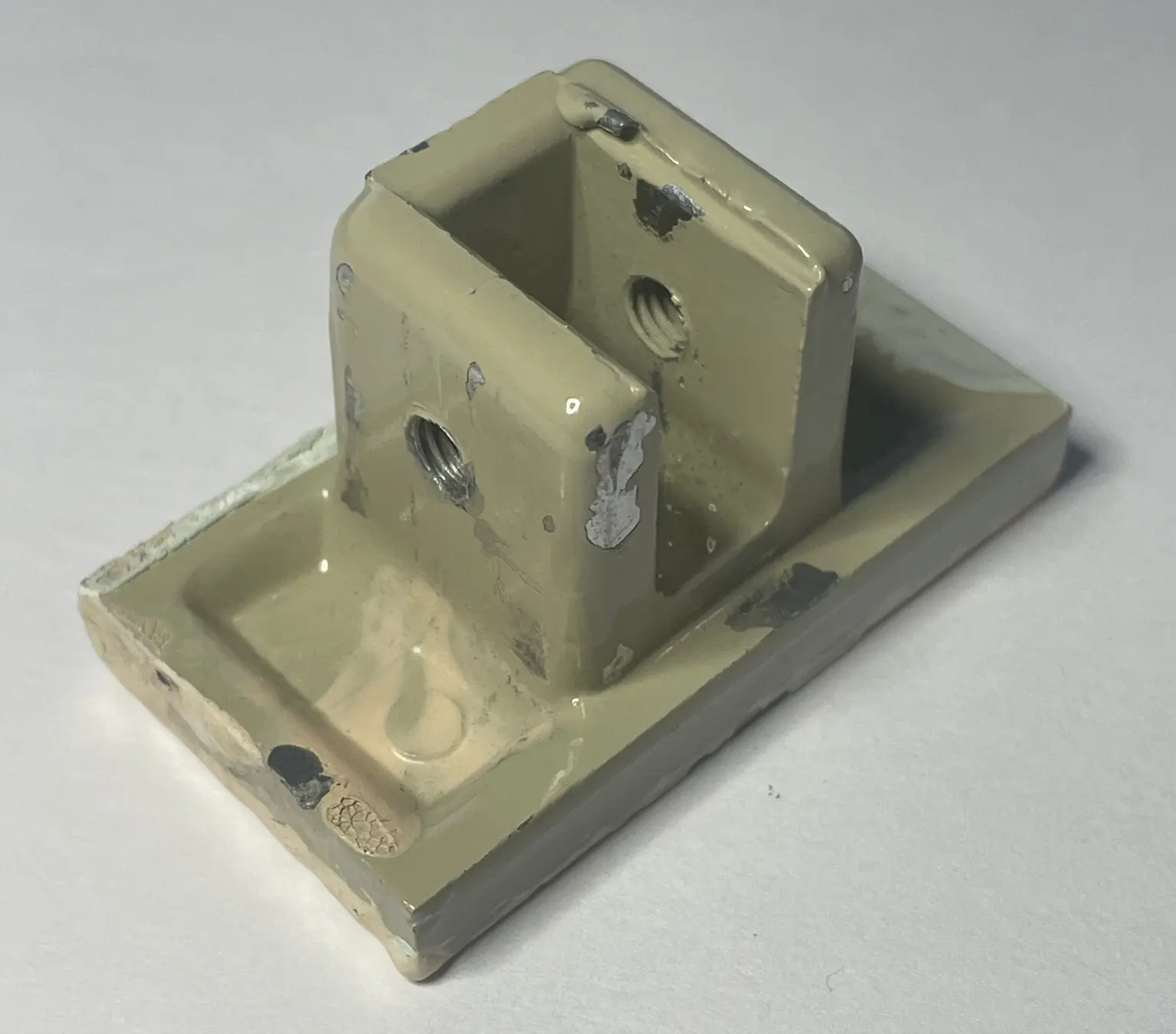
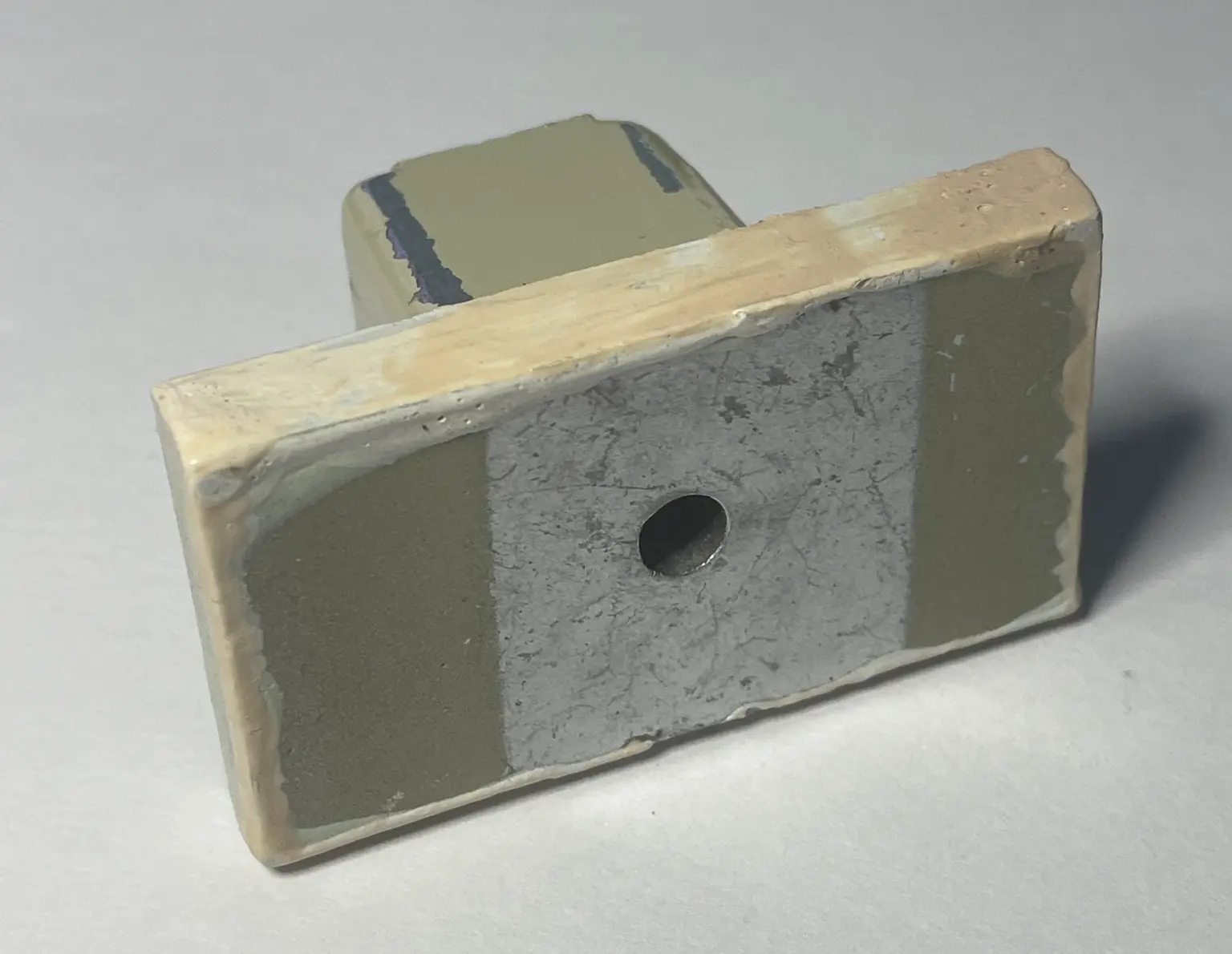
The ageing metal fitting was measured and checked so the replacement would match the shelving system.
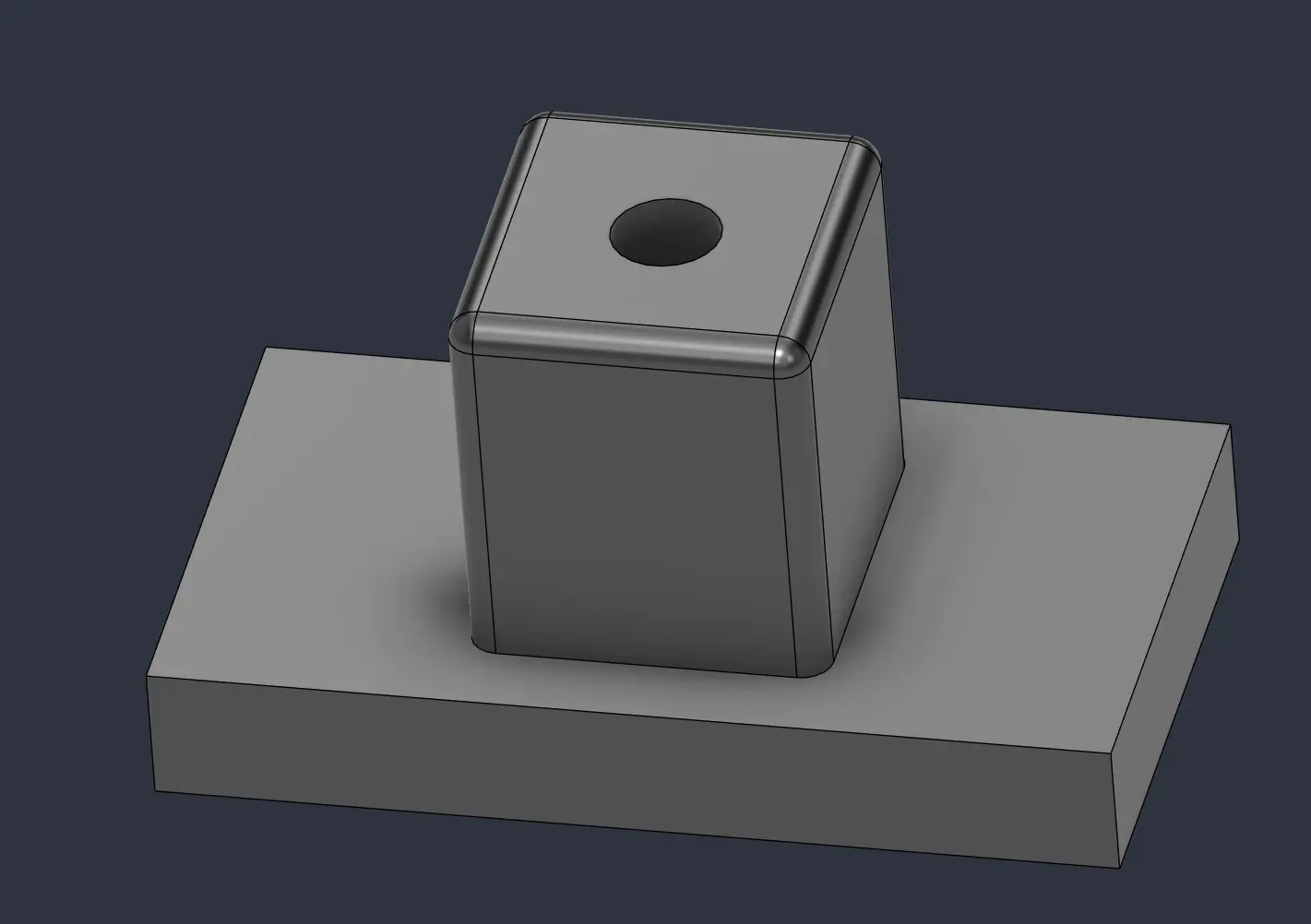
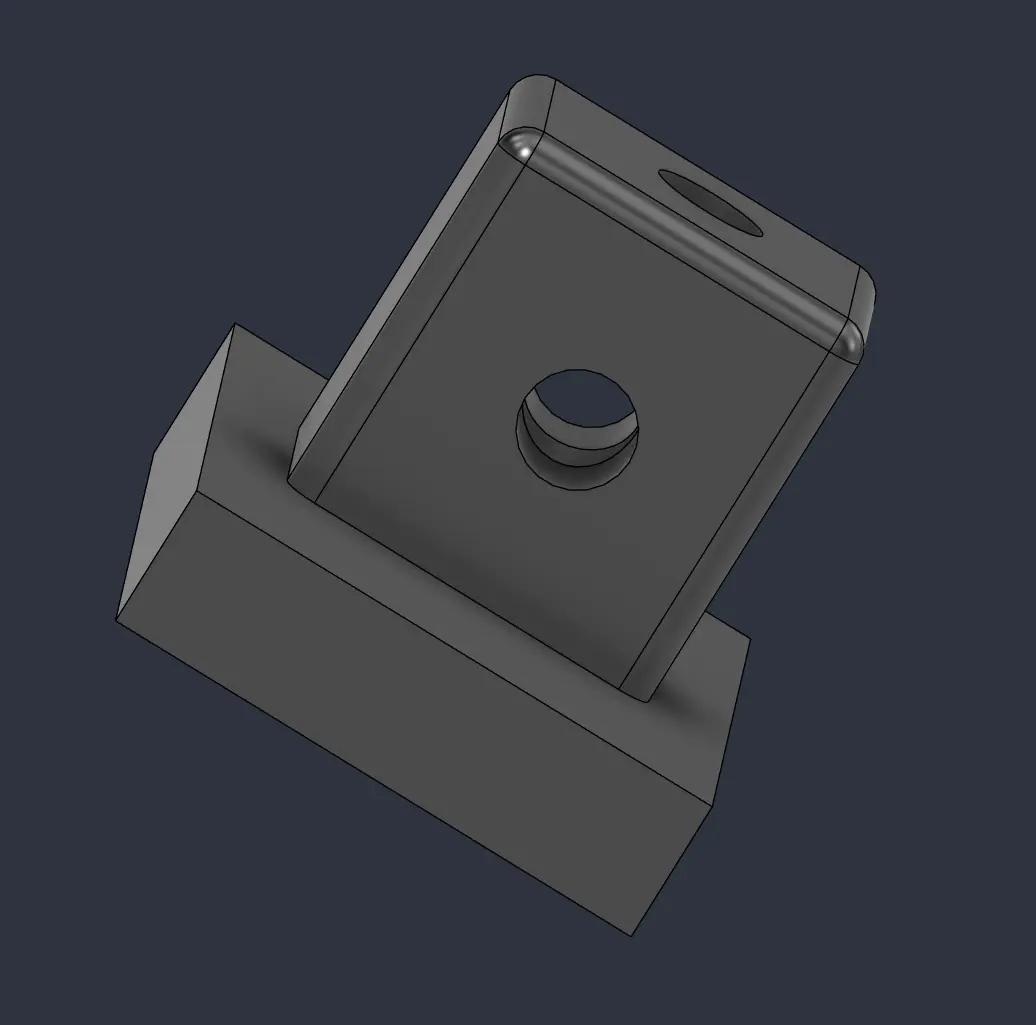
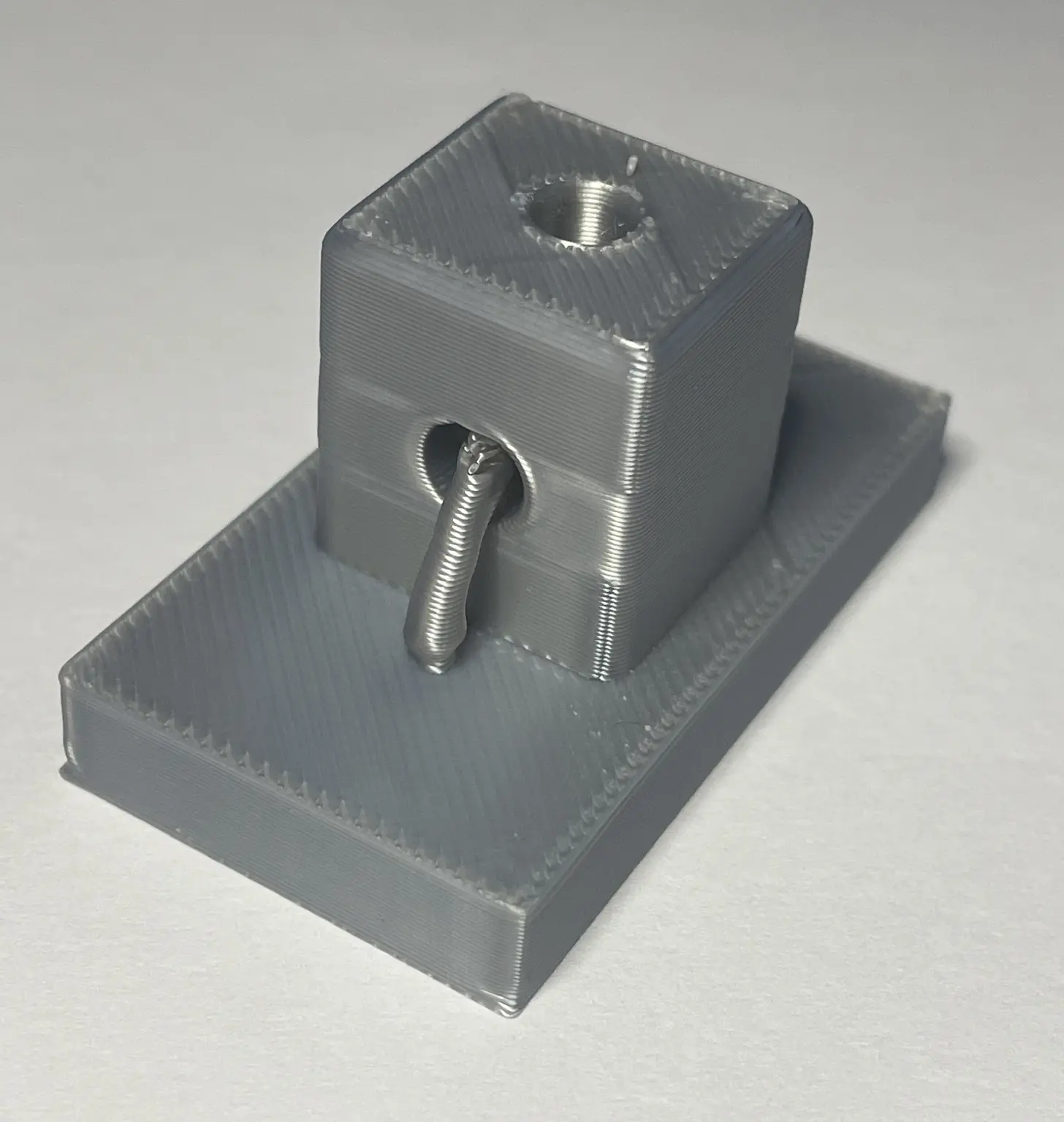
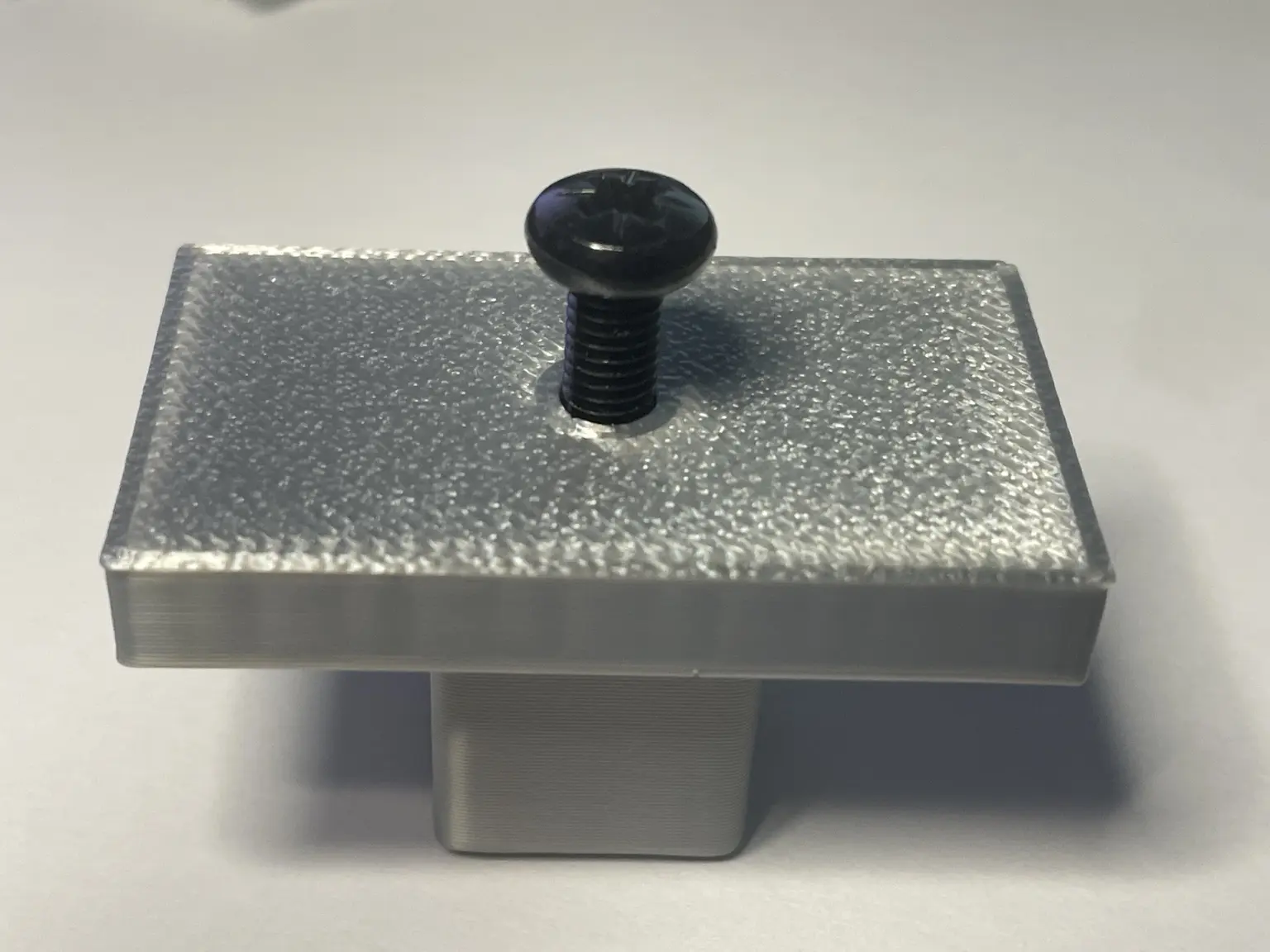
The component was modelled in Autodesk Fusion 360, including the base, upright section and fixing holes.
One-hole and two-hole versions were developed from the same base design to suit different positions in the shelving.
Parts were printed on a Bambu Lab A1. Support material helped the side hole retain its intended circular shape and size.
The fit was checked with the existing fixing, then a repeatable batch of replacement components was printed.
Bring the part, measurements or idea